Human Right 2 Water at the European Climate Change Adaptation Conference in Italy
This year, Human Right 2 Water attended the European Climate Change Adaptation Conference, a forum for exchanging practical solutions, sharing knowledge and fostering collaboration on climate adaptation across Europe. The ECCA Conference was hosted in Rimini, Italy from 16-18 of June.
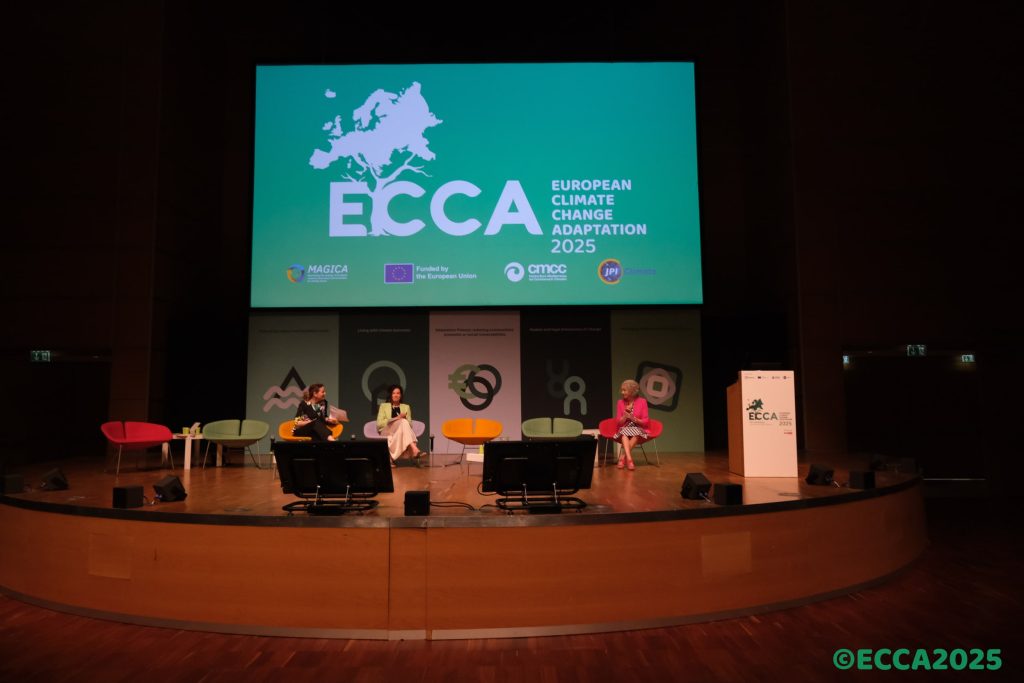
The conference focused on several themes such as:
- Adaptation finance – this theme explored the new and innovative ways to boost the supply of adaptation finance.
- Living with climate extremes – how climate change and extreme events are affecting communities and individuals, and how these are adapting local solutions to survive.
- Managing cities to be fit to survive for the future – cities present different needs, these sessions explored long-term strategies to adapt cities’ infrastructures.
- Protecting coastal and mountain areas – these sessions focused on climate change adaptation on different environments as well as strategies for resilience.
- Human and legal dimensions of change – these sessions focused on fair distribution, inclusive governance and innovative climate change adaptation.
Takeaways from the conference
During the conference, CEO Amanda Loeffen engaged in discussions on the barriers and knowledge gaps slowing down climate adaptation in Europe in which it was highlighted that there is an urgent need for more inclusive, people-centred action. As Richard Smithers (Ricardo PLC) noted, effective adaptation starts by empowering individuals to act within their means—fostering a common desire to implement change. Thomas Koetz (EIT Climate-KIC) also highlighted how social science must enter the process much earlier, shaping how we value impacts and innovate differently. Vilija Balionyte-Merle (SINTEF) called for stronger collaboration between local authorities and scientists, supported by training and physical spaces for shared dialogue. Hein Pieper illustrated the importance of translating complex data into clear messages that communities can understand and act on, especially in cities where engagement is lagging.
Cathy Lauranson shared powerful insights from Marseille, France—where communities facing heat stress, limited shelter, and few green spaces are now part of “tactical” adaptation efforts. These include car-free days and the creation of cool shelters, guided by a human and simple approach that puts well-being and resilience at the forefront. Her message: we must build a new narrative linking adaptation to social co-benefits like health. Closing the session, Philippe Tulkens offered three key reflections: scale-up is coming but has been slow; the data gap is not from scarcity but from excess and inaccessibility; and open, affordable, and practical tools are essential. Above all, sharing real, successful examples of adaptation through platforms like the IPCC will help accelerate learning and action across Europe.
Heatwaves are now among the deadliest climate threats, already claiming more than 60,000 lives in Europe this year due to record-high temperatures. Meanwhile, flooding could cost Europe up to €1 trillion by the end of the century, warned Blaz Kurnik from Copernicus. These are no longer distant risks but present realities demanding local, immediate responses. Across discussions in cities such as Rimini, Milan, Dublin, Zagreb, and across France, participants highlighted three recurring needs: to engage communities and build public support, to strengthen multilevel governance linking regional, national, and local efforts, and to prioritise short-term action alongside long-term planning. Innovative city projects showcased this spirit—from creating Sponge Cities and river buffer zones to protecting against sea level rise and engaging youth in climate resilience.
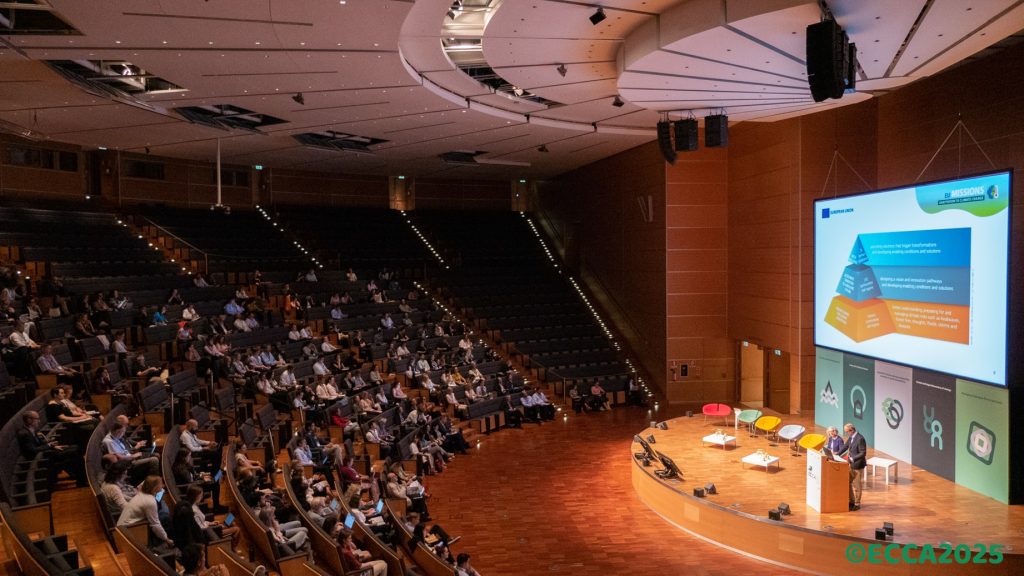
Antonio Navarro of CMCC and JPI Water concluded with a clear message to the scientific community. First, data must be made relevant and timely, focusing on shorter timeframes (20–30 years) to support real-world decision-making. Second, climate information must be localised to reduce uncertainty, as global models often fail to capture local realities. And third, climate research must go beyond temperature and precipitation, integrating social and economic dimensions—including people’s lived experiences and grievances—to better inform adaptive strategies. As Navarro reminded the audience, “It’s not a one-metre dash but a marathon.” Climate adaptation will require consensus, shared data, and flexible, collaborative approaches to sustain momentum and protect lives.
