Sustainable Water Resources: Protecting Water Rights and Cultural Heritage for Future Generations

Sustainability is one of the key principles of the human rights-based approach, and essential for conserving water resources for future generations. Natural water resources, including groundwater, river bodies and lakes, are increasingly threatened by climate change, pollution and over-consumption, pressing governments to take a long-term view of environmental impacts.
A sustainable approach to water resource management should be grounded in legal frameworks to prioritise the protection of ecosystems while ensuring water availability and protecting the human right to water. Legal frameworks can be used to foster resilience by promoting sustainable resource use, an increasing necessity as weather patterns shift unpredictably.
States worldwide are beginning to recognise the significance of these issues, integrating sustainable water management into their constitutions and water laws. In some cases, governments implement nature-based solutions to ensure climate adaptation, offering a proactive mechanism to address climate-related challenges.
Case Study: The Guna Yala People Sustainable and Generational Practices
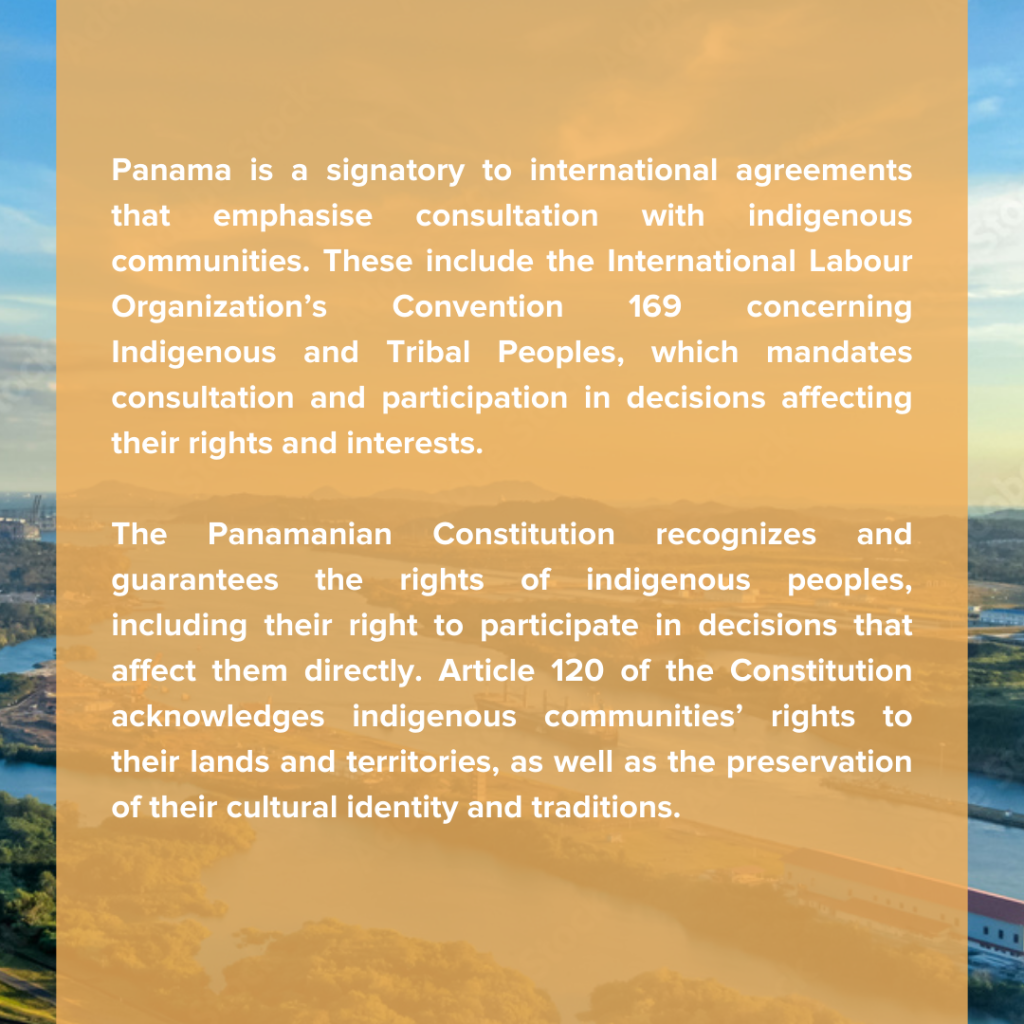
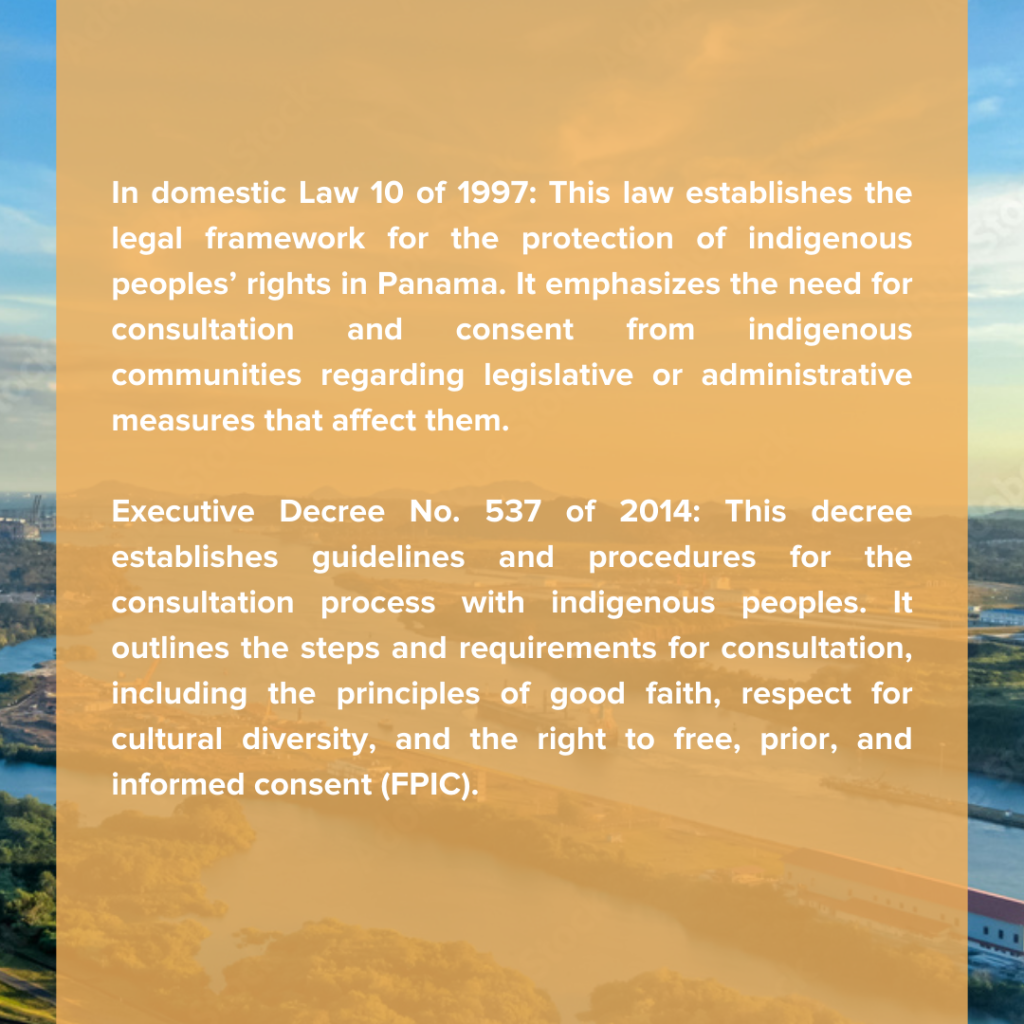
The Guna Yala indigenous community of Panama is a case study in our publication of good practices for water management in Latin America (link and photo of front page). Their approach to water management is deeply embedded in their cultural practices, emphasising the protection of natural resources for future generations.
Sonia Henríquez is one of the community leaders, and she has played a large part in the improvement of sustainable solutions. Sonia grew up with a deep connection to water, in a coastal village, listening to folklore and songs passed on by her ancestors. She has worked hard to promote sustainable water management through the recognition that climate change and pollution are damaging their cultural heritage, diminishing the quality and quantity of freshwater. As the first Regional Coordinator of Guna Women, Sonia has focused on building bridges between her community and governmental organisations, advocating for the recognition of Indigenous rights in the management of water resources.
Sonia’s journey doesnot stopped here. She later joined the National Coordination of Indigenous Women of Panama (CONAMUIP) and eventually became its president. For over a decade, she has worked tirelessly to ensure access to clean water for Indigenous communities across Panama while maintaining respect for their cultural identity.
Respecting cultural identity is a crucial part of any dialogue about sustainability. When building water infrastructure, Sonia works to ensure that the designs are cognisant of cultural heritage and landmarks of special significance. Sonia emphasises that water management is a collective effort:
“Our organization is centuries old, from our grandmothers and grandfathers. We work with the community, and in water, a lot of community work is needed.” – Sonia.
As the climate crisis unfolds, more inclusive and nature-based solutions like these will be vital to building resilience and securing a sustainable future. The Guna Yala people’s approach offers a compelling example of how sustainability and cultural respect can intertwine, ensuring that water remains a shared resource for all.