Protecting Human Rights – Applying the principle of Non-discrimination and Equity

How can legislation help protect the rights of those who are most vulnerable? Notot everyone is able to enjoy the same access to human rights, especially when it comes to the rights to water and sanitation and to a clean, safe, and healthy environment. And yet, these are at the core of every other human right; as the accessibility of safe drinking water, and environmentally sustainable water management are critical in the protection of other human rights
Legislation and policy can help to build sustainable solutions to protect against inequalities. The inclusion of mechanisms to protect against discrimination and provide equity will help to protect the rights of the most vulnerable people in our communities. We want to ensure that even the most heavily impacted and marginalised people are given priority in the design of water and wastewater services.
Examples of best practice can be found in our new publication, which we co-published with the African Development Bank (AfDB) and the Water Research Commission. The publication matches legal and practical best practice examples, ranging from a general approach to Equity to specific examples on gender and inclusion of specific disadvantaged groups.
Best practices for non-discrimination among communities include the following general principles:
- Legal measures to protect the rights of those who are most vulnerable
- The prohibition of direct and indirect discrimination and promotion of equality
- Legal recognition for women in safeguarding the environment and water resources
- People do not suffer from a reduction in the health of their environment
Case Study: Burkina Faso
AfDB has an active project in the outlying districts of Ouagadougou, Burkina Faso for Resilience building and Water and sanitation services improvement. The SPAQPO project started in 2022, and it aims to contribute to universal access of around 8,113,000 inhabitants to drinking water and sanitation for people in the project area of Burkina Faso (covering six regions: North Central, West Central, South Central, North, Central Plateau, and Sahel).
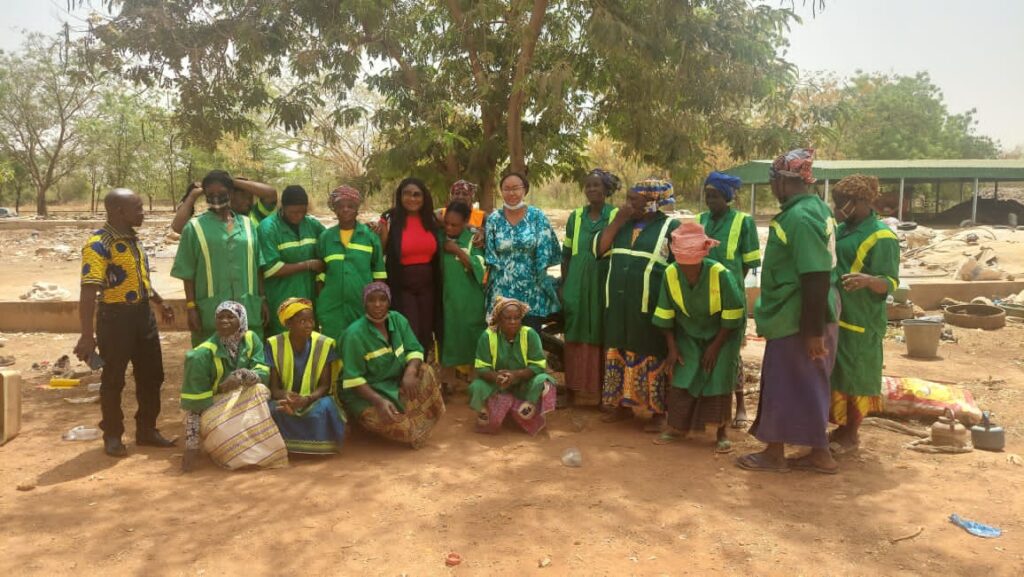
Figure 1. Women of the Wend-Benedo Association (Source: AfDB)
The project aims to increase the resilience of Internally Displaced Persons (IDPs) and host households while protecting the communities’ water resources. As a particularly vulnerable group, IDPs were supported by using cash water (coupons to collect water from designated points) or water tracking (direct water delivery). These efforts are crucial for ensuring that displaced populations and host communities have access to necessary water resources, vital for daily survival and maintaining health standards amidst crowded living conditions.
Another form of best practice for non-discrimination is the gender-focused approach included in this project. The project is committed to helping women have equal and safe access to water by reducing the time needed to fetch it. Gender diversity is systematically considered; AfDB has strengthened the operational capacities of women’s associations to create jobs for women and improve their income, as in the case of women of the Wend-Benedo Association. In this case, the Women’s Association for the Valorisation of Plastic Waste (AFVP) works at the compositing unit in the plastic waste recovery unit for the Solid Waste Treatment and Recovery Centre (CTVD) in Ouagadougou.
Legislation in Burkina Faso: